

Every professional barista remembers making their first coffee. The espresso may have poured too quickly, the milk may have been too frothy and the latte art probably didn't look like a heart. That's completely normal.
Your first day behind a commercial espresso machine can feel intimidating. There are grinders to adjust, milk to texture, recipes to remember and customers expecting consistently great coffee. The good news is that no one expects beginners to know everything on day one.
A quality barista training course provides the practical skills and confidence needed to take that first step, while real café experience helps refine those skills over time. The journey from beginner to confident barista isn't about becoming perfect overnight. It's about building knowledge, practising regularly and continuing to improve with every coffee you make.
Here's what you can expect as you progress from your first training session to your first café job.
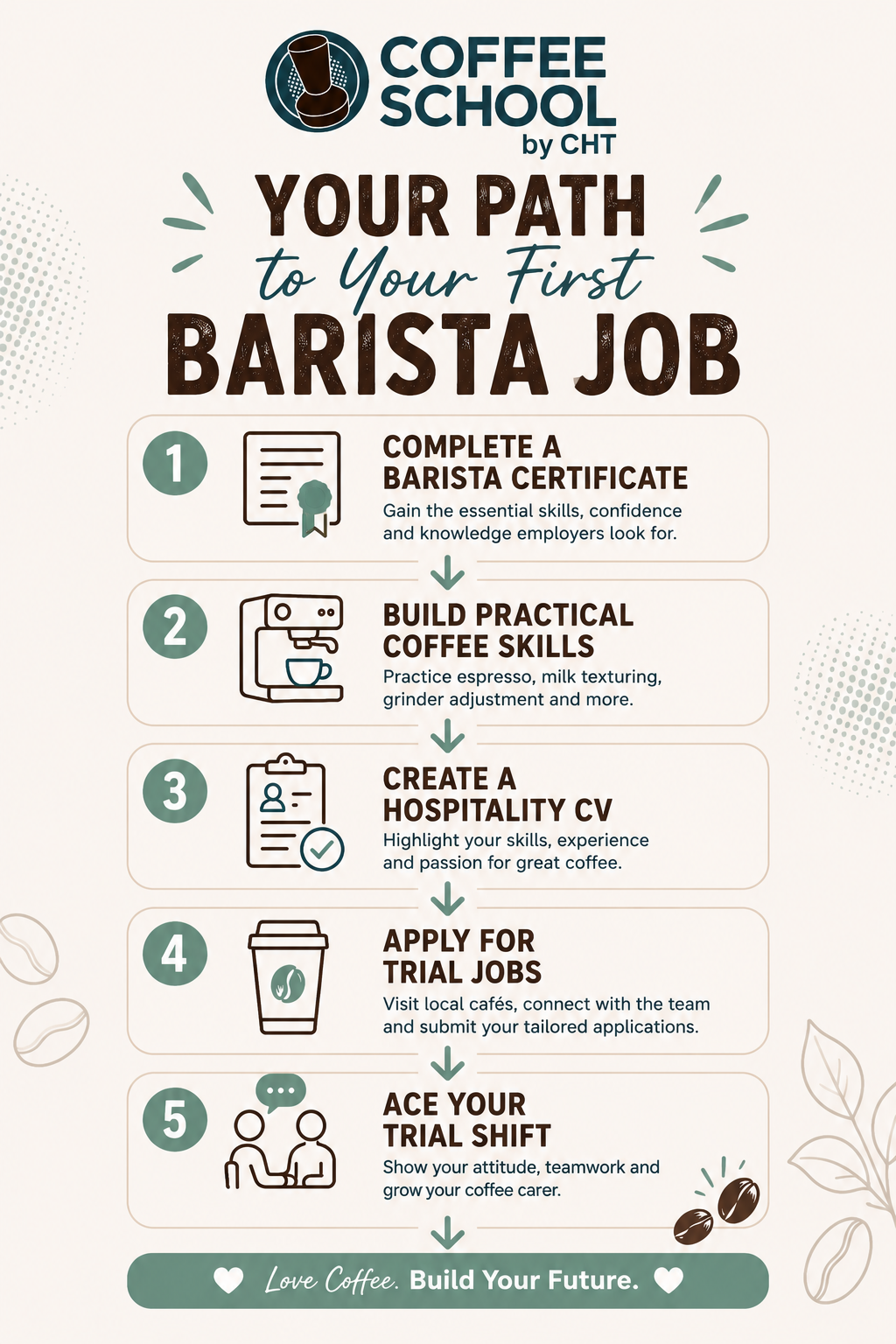
Step 1: Start with the Right Training
Every successful barista begins by learning the fundamentals correctly. While some people attempt to learn on the job, starting with professional training allows you to build good habits from the beginning and understand how commercial cafés operate.
A practical barista training course should focus on hands-on experience rather than simply watching demonstrations. The more time you spend making coffee yourself, the more confident you'll become using professional equipment.
At Coffee School, students spend the majority of their course working on commercial espresso machines in a practical café-style environment. With individual access to equipment, small class sizes and experienced trainers, every student has the opportunity to develop real coffee-making skills through repetition and guided practice.
Rather than memorising recipes, you'll begin to understand why each step matters and how small adjustments affect the final cup.
During your first training session you'll typically learn how to:
- Operate a commercial espresso machine
- Grind and dose coffee correctly
- Extract balanced espresso shots
- Texture silky milk for different coffee styles
- Prepare popular café drinks
- Clean and maintain coffee equipment
- Work efficiently in a café-style workflow
These are the same practical skills you'll use every day once you begin working in a café.
Step 2: Build the Skills Employers Look For
Making great coffee is only one part of becoming a successful barista. Employers are looking for people who can work confidently in a fast-paced hospitality environment while delivering consistent coffee and excellent customer service.
Technical skills are important, but so are attitude, communication and the ability to stay calm during busy periods.
As your confidence grows, you'll begin developing the habits that experienced baristas rely on every shift.
The key skills every new barista should develop include:
Espresso extraction
Learning how grind size, coffee dose and extraction time influence flavour is one of the foundations of making consistently great espresso. Consistently producing balanced espresso is essential in every café.
Milk texturing
Creating smooth, silky milk is a skill that improves with practice. Proper milk texturing not only affects the taste and mouthfeel of coffee but also provides the foundation for basic latte art.
Grinder adjustment
Coffee beans change throughout the day due to temperature, humidity and freshness. Understanding how to adjust the grinder helps maintain consistency in every cup.
Workflow and organisation
Busy cafés rely on efficient systems. Learning to organise your workspace, manage multiple orders and clean as you work helps you become faster without sacrificing quality.
Customer service
A friendly attitude, clear communication and genuine hospitality often leave just as much of an impression as the coffee itself. Many customers return because of the experience as much as the drink.
Attention to detail
From correctly steaming milk to wiping the steam wand after every use, small habits contribute to both coffee quality and workplace professionalism.
These skills don't develop overnight. Professional training provides the foundation, while workplace experience allows you to refine them with every shift.
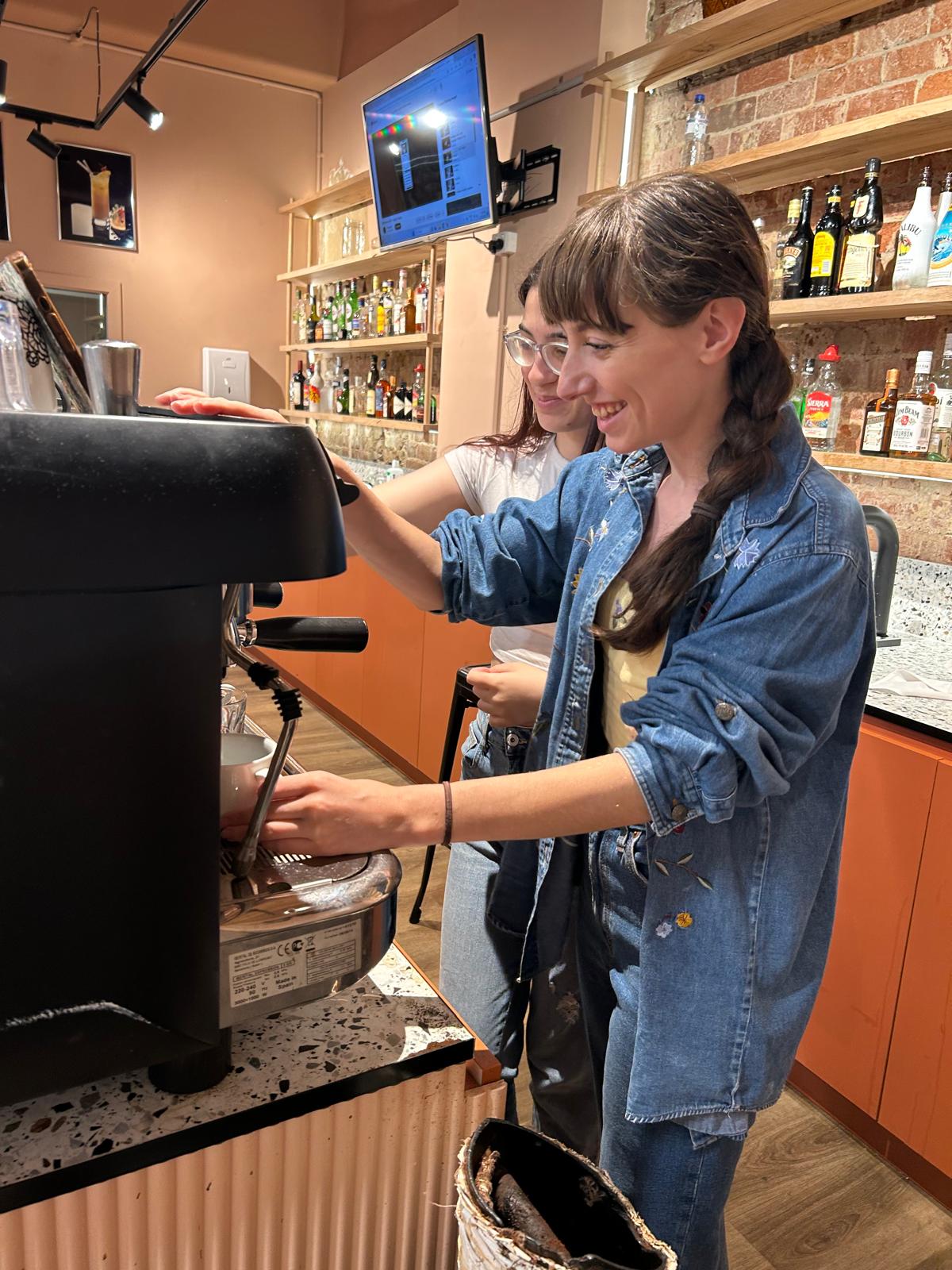
Step 3: Finding Your First Café Job
Once you've completed your training, the next step is finding an opportunity to put your new skills into practice. While competition can be strong, cafés are often looking for enthusiastic team members who are reliable, willing to learn and already understand the basics of coffee making.
Having completed a practical barista training course demonstrates that you've invested time in developing job-ready skills. Although no course can guarantee employment, arriving with experience using commercial equipment means employers can spend less time teaching the fundamentals and more time helping you adapt to their specific café.
There are several ways to find your first barista role:
Apply through hospitality job websites
Websites such as SEEK and Indeed regularly advertise barista and café positions across Australia. Searching for entry-level roles or junior barista positions can be a good starting point if you're new to the industry.
Visit local cafés in person
Many independent cafés don't advertise vacancies online. Take a professional résumé and visit cafés during quieter periods, rather than during the busy morning rush. This gives you a better opportunity to introduce yourself and make a positive first impression.
If you have recently completed your training, let the manager know. Being able to explain the practical skills you've learnt often demonstrates enthusiasm and initiative.
Use your existing experience
Even if you've never worked in a café before, previous experience in retail, hospitality or customer service is valuable. Skills such as teamwork, communication, organisation and working under pressure transfer well into a café environment.
Stay open to different opportunities
Your first café job may not be your dream position, and that's perfectly normal. Smaller cafés, bakeries, restaurants and hotels often provide excellent opportunities to gain experience while building confidence behind the coffee machine.
Every shift helps you become faster, more organised and more comfortable working in a busy environment.

Step 4: Making a Great Impression During Interviews and Trial Shifts
Many cafés invite shortlisted applicants to complete a trial shift before offering employment. This gives employers the chance to see how you work in a real café environment and how well you interact with both customers and the team.
If you've completed practical training, you'll already be familiar with the equipment and common café procedures. Rather than trying to impress with advanced latte art, focus on demonstrating the qualities employers value most.
Arrive prepared
Wear clean, professional clothing, arrive a few minutes early and bring a positive attitude. First impressions matter, and punctuality shows respect for the employer's time.
Be honest about your experience
Employers don't expect beginners to know everything. They're looking for people who are eager to learn and open to feedback.. Most employers understand that new baristas are still learning. Being honest about your current skill level while showing enthusiasm to improve is far more valuable than pretending to know everything.
Listen and ask questions
Every café has slightly different recipes, equipment and workflows. Listening carefully and asking thoughtful questions demonstrates that you're willing to learn and adapt.
Stay calm under pressure
Even experienced baristas occasionally make mistakes. If something doesn't go to plan, remain calm, accept feedback and focus on improving. Employers are often more interested in how you respond to challenges than whether every coffee is perfect.
Show good café habits
Simple habits such as wiping the steam wand after use, keeping your workspace tidy and communicating clearly with other staff demonstrate professionalism and attention to detail. These small actions often leave a lasting impression during a trial shift.
Professional training provides a strong foundation, but your attitude, willingness to learn and ability to work well with others are often what help secure that important first opportunity.
Ready to start building job-ready coffee skills? Coffee School's professional barista training gives beginners practical experience using commercial espresso machines in a supportive learning environment designed to prepare students for real café work.
Step 5: Growing Your Confidence Behind the Coffee Machine
Completing a barista training course is an important milestone, but it's only the beginning of your journey. The first few weeks working in a café are where everything starts to come together.
At first, you'll probably spend more time thinking about each step, from grinding coffee and extracting espresso to steaming milk and preparing drinks in the correct order. As you gain experience, these tasks become second nature, allowing you to work more efficiently while maintaining consistency.
During your first few months, you'll continue developing skills such as:
- Preparing multiple coffees at the same time.
- Working efficiently during busy morning rushes.
- Remembering regular customers and their orders.
- Improving milk texturing and latte art.
- Managing your workspace while keeping equipment clean.
- Working closely with other team members to maintain smooth service.
Don't be discouraged if your first coffees aren't perfect or if you occasionally feel overwhelmed during busy periods. Every experienced barista has gone through the same learning process.
The key is to keep practising, accept feedback from senior staff and look for opportunities to improve with every shift. Confidence develops through repetition. Every coffee you make helps build speed, consistency and technical ability.
Where Can Your Barista Journey Take You?
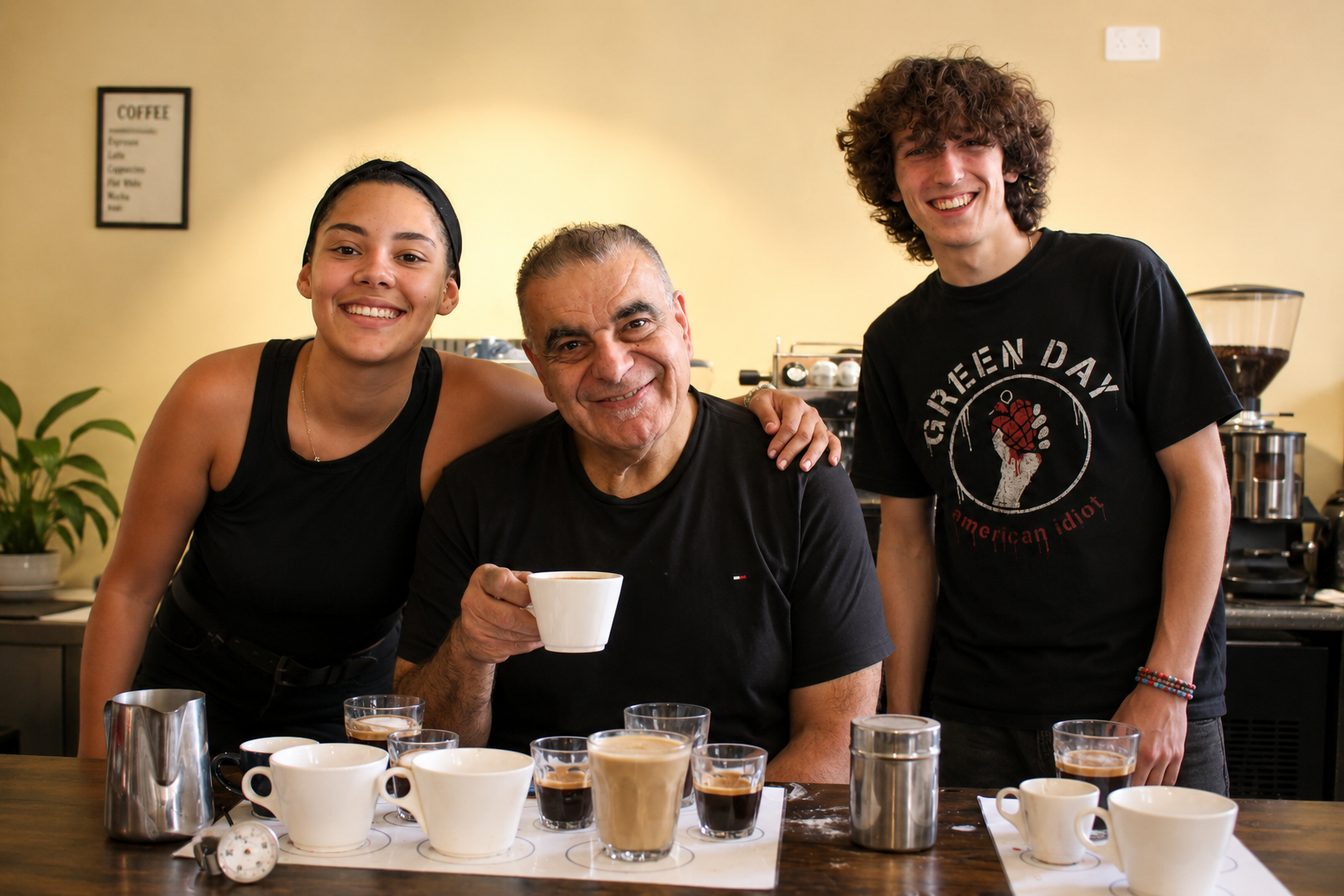
One of the great things about learning to make coffee is that it can open the door to a wide range of hospitality opportunities.
Some people use their barista skills to find casual work while studying or travelling around Australia. Others discover a long-term passion for coffee and continue building their careers within the industry.
As your experience grows, you may progress into roles such as:
- Senior barista
- Head barista
- Café supervisor or manager
- Coffee trainer
- Coffee roaster
- Café owner
Many baristas continue expanding their knowledge through specialised training, developing skills in latte art, coffee appreciation and advanced espresso techniques. Others move into roles such as coffee training, coffee sales, equipment servicing or even owning their own café. With a strong foundation and a commitment to continuous learning, the hospitality industry offers a wide range of rewarding career opportunities.
No matter where your career leads, the foundation is always the same. It starts with learning the correct techniques, gaining practical experience and continuing to improve over time.
Conclusion
Every professional barista started exactly where you are now, with their first lesson, their first espresso and their first opportunity behind a commercial coffee machine.
While becoming comfortable working in a busy café takes time and practice, professional training can significantly shorten the learning curve by giving you the practical skills and confidence employers value. From learning espresso extraction and milk texturing to understanding café workflow and customer service, every new skill helps prepare you for real-world hospitality.
Whether you're leaving school, changing careers or simply looking to turn your passion for coffee into practical skills, investing in quality training is one of the best ways to begin your journey.
Coffee School has helped thousands of aspiring baristas build the confidence to step behind the espresso machine through hands-on, industry-focused training. Browse the available courses and take the first step towards your first café job today.