
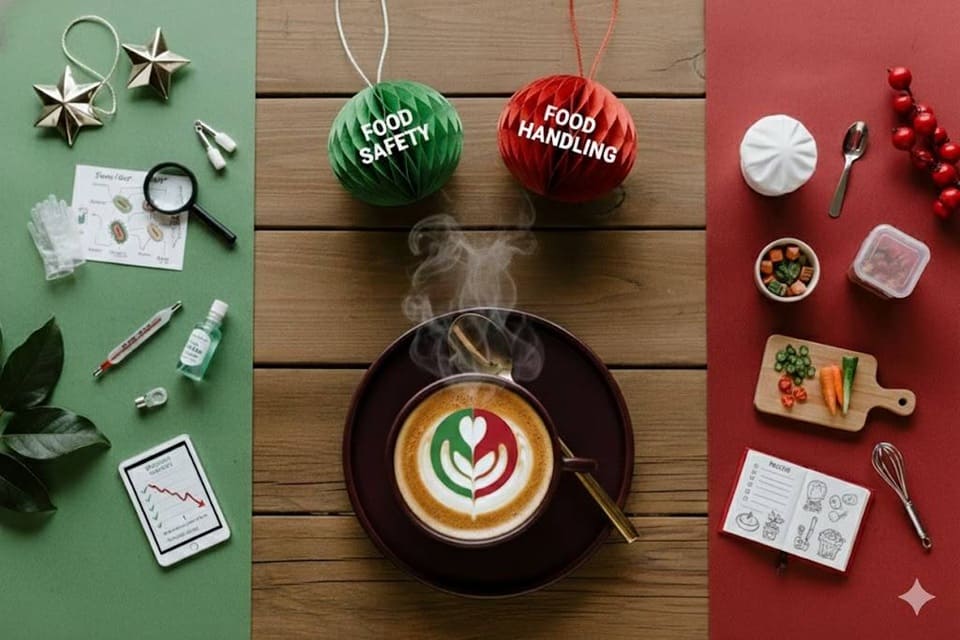
Food safety and food handling are often used interchangeably; however, they serve distinct purposes within the food and beverage industry. Understanding how they work together is essential for any business that prepares, serves, or stores food. From cafés and restaurants to bars and catering operations, getting this distinction right helps protect customers, meet legal obligations, and maintain consistent standards.
What Food Safety Actually Means
Food safety refers to the systems, standards, and legal requirements designed to prevent foodborne illness and contamination. It covers the entire lifecycle of food, from sourcing and storage through to preparation and service. Food safety focuses on risk management and prevention at a broader level.
Key elements of food safety include temperature control, storage practices, allergen management, cleaning schedules, and compliance with national food regulations. These regulations are in place to minimise the risk of bacterial growth, cross-contamination, and unsafe handling throughout the food supply chain. For hospitality businesses, food safety is not optional. Failure to comply can lead to fines, closures, and reputational damage.
What Food Handling Looks Like In Practice
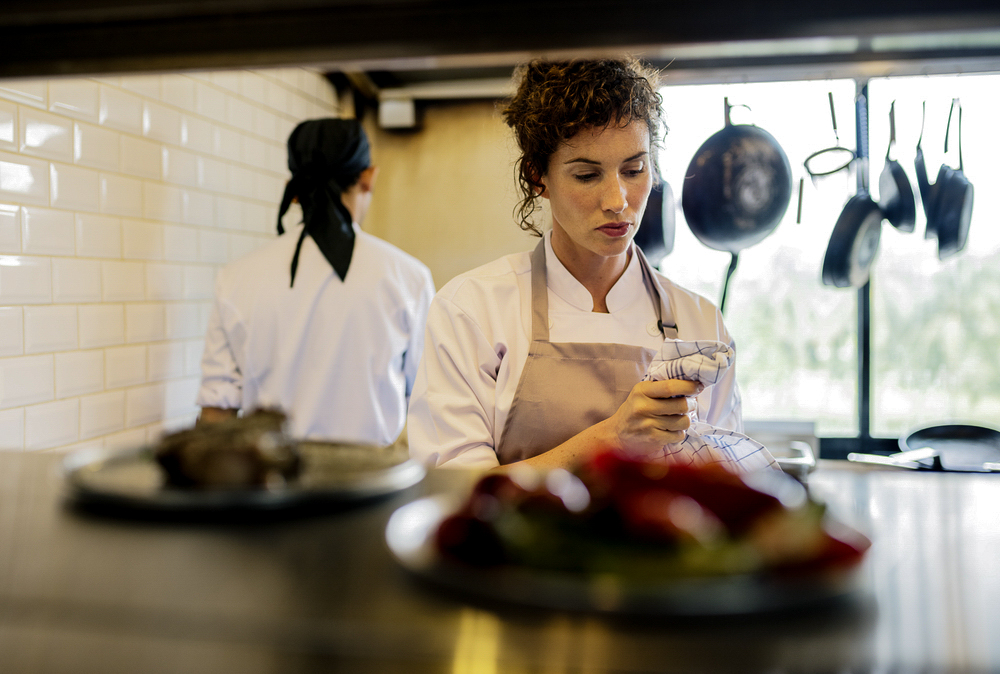
Food handling is the practical application of food safety principles during day-to-day operations. It refers to how staff prepare, cook, serve, and store food while following hygiene and safety guidelines.
Examples of good food handling include proper hand washing, using separate equipment for raw and cooked foods, monitoring use-by dates, and storing perishable items at the correct temperature. While food safety sets the rules, food handling is how those rules are carried out on the floor, in the kitchen, and behind the counter.
For staff working directly with food, structured training is often the most effective way to understand these responsibilities. Completing a Food Handling Course helps ensure employees know how to apply safety standards consistently during service.
Why Understanding the Difference Matters
Food safety and food handling are closely linked, but one cannot replace the other. A business may have strong food safety policies in place, but if staff do not follow correct handling practices, those policies lose their effectiveness. Likewise, good individual habits are not enough if the business fails to meet regulatory requirements.
For example, storing milk at the correct temperature is a food safety requirement. Washing hands before preparing drinks is a food handling practice. Both are essential to prevent contamination. When businesses understand this distinction, they are better equipped to manage risk and maintain consistent hygiene standards.
Benefits of Strong Food Safety and Handling Practices
Integrating both food safety and food handling into daily operations offers clear benefits:
- Reduced risk of foodborne illness
- Greater customer confidence and trust
- Improved compliance with inspections and audits
- Lower waste through better storage and handling
- More confident, well-trained staff
In hospitality settings, these benefits extend beyond the kitchen. Bar staff and baristas also play a role in food safety through hygiene, equipment cleanliness, and correct storage. Many businesses support this with additional training, such as Bar & Barista training or Latte Art workshops, which often reinforce hygiene and handling principles alongside technical skills.
Practical Ways to Apply Both in your Business
Food safety and food handling should be built into everyday routines rather than treated as one-off requirements. Practical steps include:
- Reinforcing hand hygiene and glove use where appropriate
- Monitoring fridge and freezer temperatures daily
- Separating raw and ready-to-eat foods at all stages
- Cleaning and sanitising equipment and surfaces regularly
- Providing refresher training for staff as procedures change
Regular checks and reviews help ensure standards remain consistent as teams grow or menus evolve.
Do You Really Need Both?
Yes. Food safety provides the framework that keeps your business compliant, while food handling ensures those rules are followed in real-world conditions. Ignoring either aspect increases risk, whether that risk is to customer health, business operations, or brand reputation.
Businesses that invest in education and clear processes are better positioned to meet expectations and adapt to regulatory changes over time.
Final Thoughts
Understanding the difference between food safety and food handling is a practical requirement for anyone working in hospitality. When both are applied together, they create a safer environment for customers and a more confident workplace for staff. Whether you are running a café, managing a bar, or entering the industry, knowledge and consistency are key.
If you are looking to strengthen your skills or ensure your team meets current standards, professional training can help. To learn more about available options or to get started, contact us Today!.