
What separates an average coffee from one that makes you want to order another? Is it the beans, the equipment or the person behind the machine?
The answer is a combination of all three, but knowing how to bring everything together takes skill. From getting the espresso extraction right to creating smooth, silky milk and pouring latte art, there's more to making great coffee than you might think.
And that's where things get interesting. You don't need years of experience to start learning, and even if you've been making coffee for a while, there's always room to refine your craft.
Whether you're curious about making your first espresso, considering a career in hospitality or looking to take your coffee-making skills to the next level, a barista workshop gives you the opportunity to learn new techniques, refine your craft and discover what you can achieve behind the machine.
What Makes One Espresso Taste Better Than Another?
Ever wondered why two espressos made with the same coffee beans can taste completely different?
It often comes down to how the coffee is prepared.
During a barista workshop, you'll learn how to extract espresso with a commercial coffee machine and recognise the factors that affect flavour.
For example, if an espresso pours too quickly, it may taste weak or sour. If it runs too slowly, it can become overly bitter.
You'll also learn what to look for as the coffee pours, including its colour, flow and crema, the golden-brown layer that forms on top.
Comparing different espresso shots helps you recognise these differences and understand what makes a well-prepared coffee.
Why Does Grind Size Make Such A Difference?
You might be surprised by how much the grinder influences your coffee.
If the beans are ground too coarsely, water can pass through the coffee too quickly. Grind them too finely, and the extraction may become too slow.
A coffee workshop introduces you to three techniques:
- Grinding: Adjusting the grinder to produce espresso-grade coffee grounds.
- Dosing: Measuring the amount of ground coffee placed into the group handle.
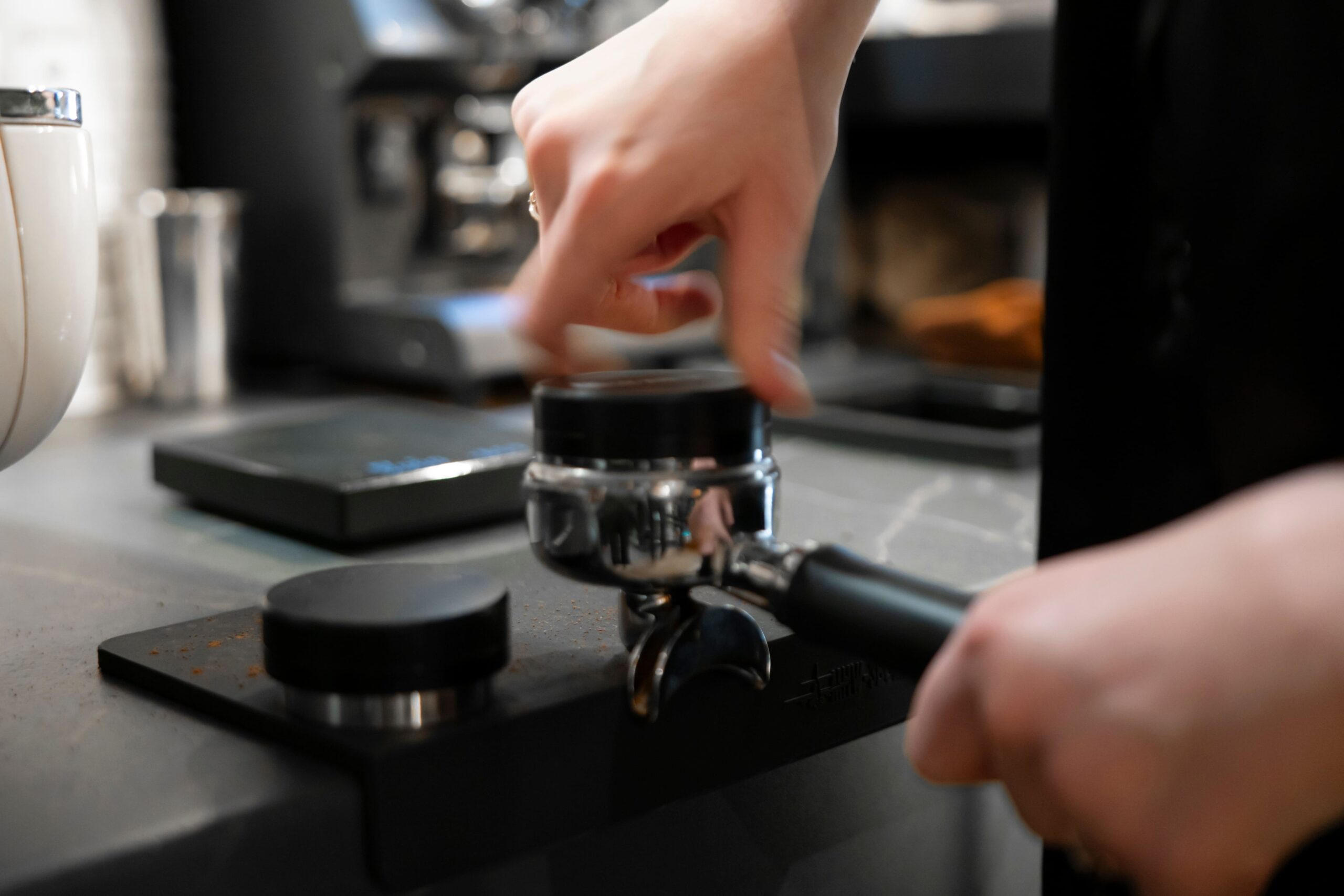
- Tamping: Pressing the coffee evenly into the filter basket before extraction.
These techniques work together to control how water moves through the coffee.
You'll discover how changing one part of the preparation process can affect the result, even when you're using the same beans and machine.
The Trick to Getting Smooth, Silky Milk
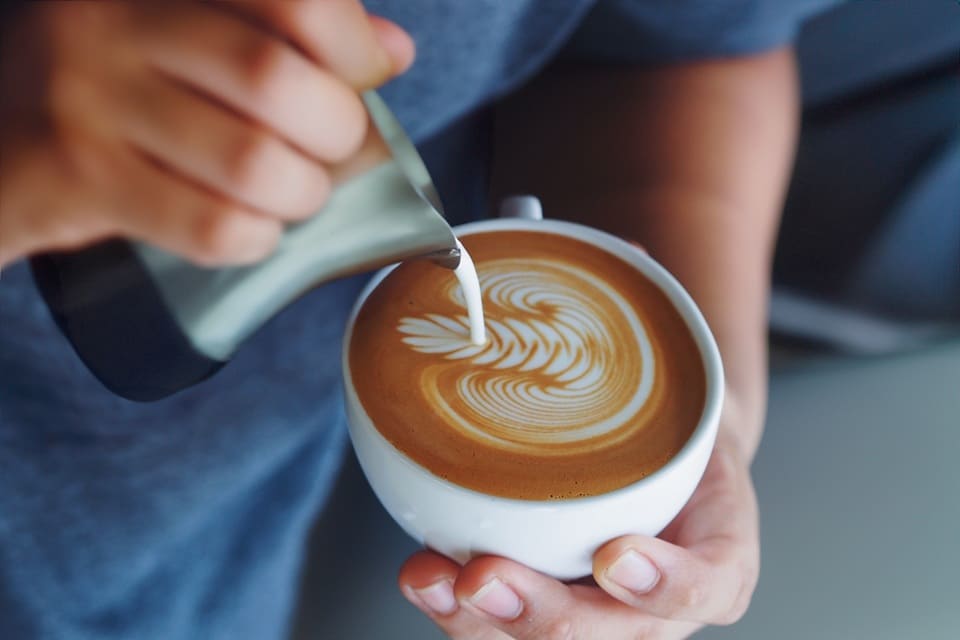
There's a knack to getting milk beautifully smooth, and it's something that can take a few attempts to get right. From the position of the steam wand to the amount of air introduced, each movement affects the final texture.
Too much air can create large bubbles, making the milk texture undesirable. Too little air may leave the milk without enough foam. Different coffees require different textures, with cappuccinos typically having more foam than flat whites.
During practical barista training, you'll learn how to control the steam wand, create the right movement in the milk and recognise when it reaches the correct temperature.
You'll also discover how to produce microfoam, the fine, velvety texture that makes milk suitable for pouring latte art.
Can You Really Learn to Pour Latte Art?
You've probably seen baristas create hearts, rosettes, swans and other patterns on top of coffees.
But could you do it yourself?
Latte art is created by carefully pouring textured milk into espresso. The position of the jug, pouring height and speed all influence the design.
You might start by learning how to:
- Hold and position the milk jug.
- Control the speed and direction of the pour.
- Combine milk and espresso smoothly.
- Create a simple heart or begin practising a rosetta pattern.
Your first attempt might look more like a blob than a heart, but that's part of the fun.
As you experiment, you'll notice how changing the angle of the jug or bringing it closer to the cup affects the pattern.
It's one of the more creative parts of a barista workshop, and there's something satisfying about seeing your first recognisable design appear.
Could You Tell A Flat White From A Latte?
A customer orders a flat white, another asks for a latte, and someone else wants a piccolo.
Would you know how to prepare each one?
Many popular café coffees use espresso and milk, but their serving sizes, proportions and presentation can differ.
A coffee-making workshop introduces you to common café drinks and how they're assembled.
For example, a cappuccino typically has a more noticeable layer of foam, while a flat white is known for its smoother milk texture. A long black, meanwhile, is prepared using espresso and hot water rather than milk.
You'll also become familiar with the cups and serving styles used for different drinks.
Knowing these differences helps you understand café menus and what customers expect when they place an order.
What Else Does A Barista Need to Know?
There's more happening behind a café counter than making coffee.
Commercial espresso machines and grinders need regular cleaning and appropriate care to keep them working properly.
Old coffee grounds and milk residue can affect hygiene and the quality of the drinks being prepared.
Practical training can introduce you to everyday tasks such as:
- Cleaning group handles and filter baskets.
- Purging and wiping the steam wand after use.
- Keeping grinders and preparation areas clean.
- Following appropriate equipment maintenance procedures.
You'll also become familiar with handling hot equipment safely and keeping your workspace organised.
These tasks might not be as exciting as pouring latte art, but they're an essential part of working in a café.
What Can You Expect From Your First Barista Workshop?
If you've never used a commercial espresso machine, all those buttons, handles and controls might seem a little intimidating.
Fortunately, you don't need previous experience to attend beginner-level training.
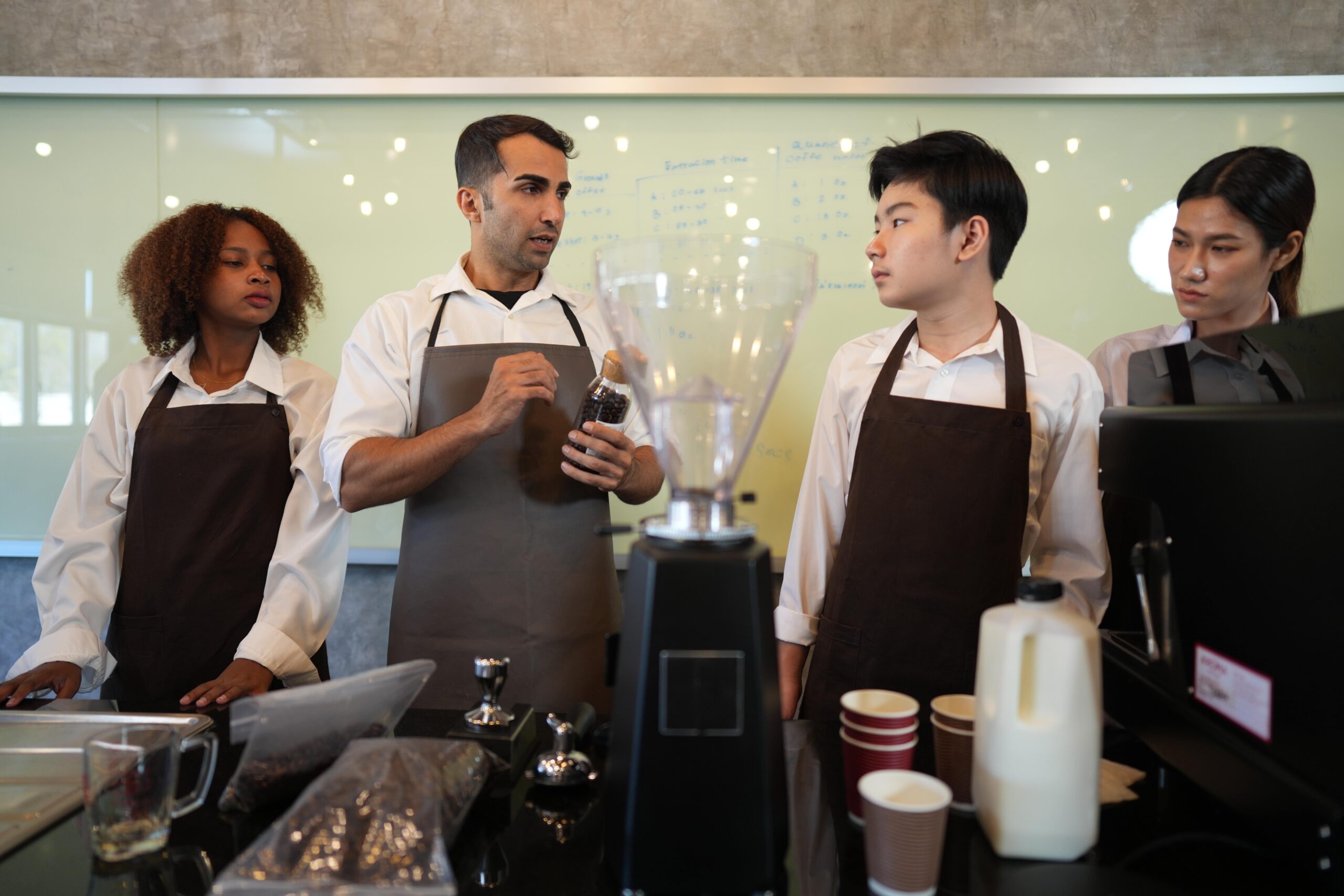
Coffee School's Barista & Coffee Art course in Sydney provides hands-on training, with students having access to their own coffee machines.
Rather than simply watching someone prepare coffee, you'll have the opportunity to work directly with the equipment and receive guidance from experienced trainers.
You might find espresso preparation relatively straightforward but struggle to get the milk texture right. Or perhaps you'll enjoy experimenting with latte art more than you expected.
Everyone picks up different techniques at their own pace, and having someone explain what you're doing can make unfamiliar tasks easier to understand.
Could These Skills Help You Get Started In A Café?
Picture a busy café on a Saturday morning. Orders are coming in, the coffee machine is running, and customers are waiting for their drinks. You've got two cappuccinos, a flat white and a long black to prepare, all while keeping up with the pace of service.
So, where do you start? One approach is to use a larger milk jug to steam enough milk for several cups of coffee. You could prepare the two cappuccinos first, pouring the foam needed for each, before using the remaining milk for the flat white, provided there's enough of the right texture. While steaming the milk, the long black can then be prepared separately using espresso and hot water.
Working in a café takes more than knowing how to make a good coffee. You'll need to manage multiple orders, communicate with customers and work efficiently alongside other staff without compromising quality.
While these skills develop through workplace experience, a barista workshop can help you build a foundation in coffee preparation. You'll become familiar with commercial equipment and essential techniques, giving you practical knowledge to draw on when taking your first steps into hospitality.
Ready to See What You Can Make?
Whether you're preparing your first espresso or looking to refine the techniques you already know, there's always something new to discover about making great coffee.
Coffee School's Barista & Coffee Art course in Sydney offers hands-on training on commercial coffee equipment, giving you the opportunity to develop your skills under the guidance of experienced trainers.
Ready to give it a go? Explore Coffee School's Barista & Coffee Art course in Sydney and find a training session that suits you.