


When it comes to barista speed vs consistency, most new baristas assume speed is what gets them hired. In reality, experienced café owners look for consistency first. Speed can be developed through repetition and structured workflow. Inconsistent habits are far more difficult to undo.
During a trial shift, owners are not timing every coffee. They are watching how you move, how you prepare your station, and whether your technique holds steady under pressure.
Do Café Owners Prefer Speed or Consistency?
Café owners prioritise consistency over speed. Speed can be trained. Inconsistent extraction, milk texturing, and workflow habits create long-term quality problems that affect every cup served.
Consistency is the baseline. Speed is layered on top of it.
Technique Before Throughput
Consistency shows up before the coffee reaches the customer.
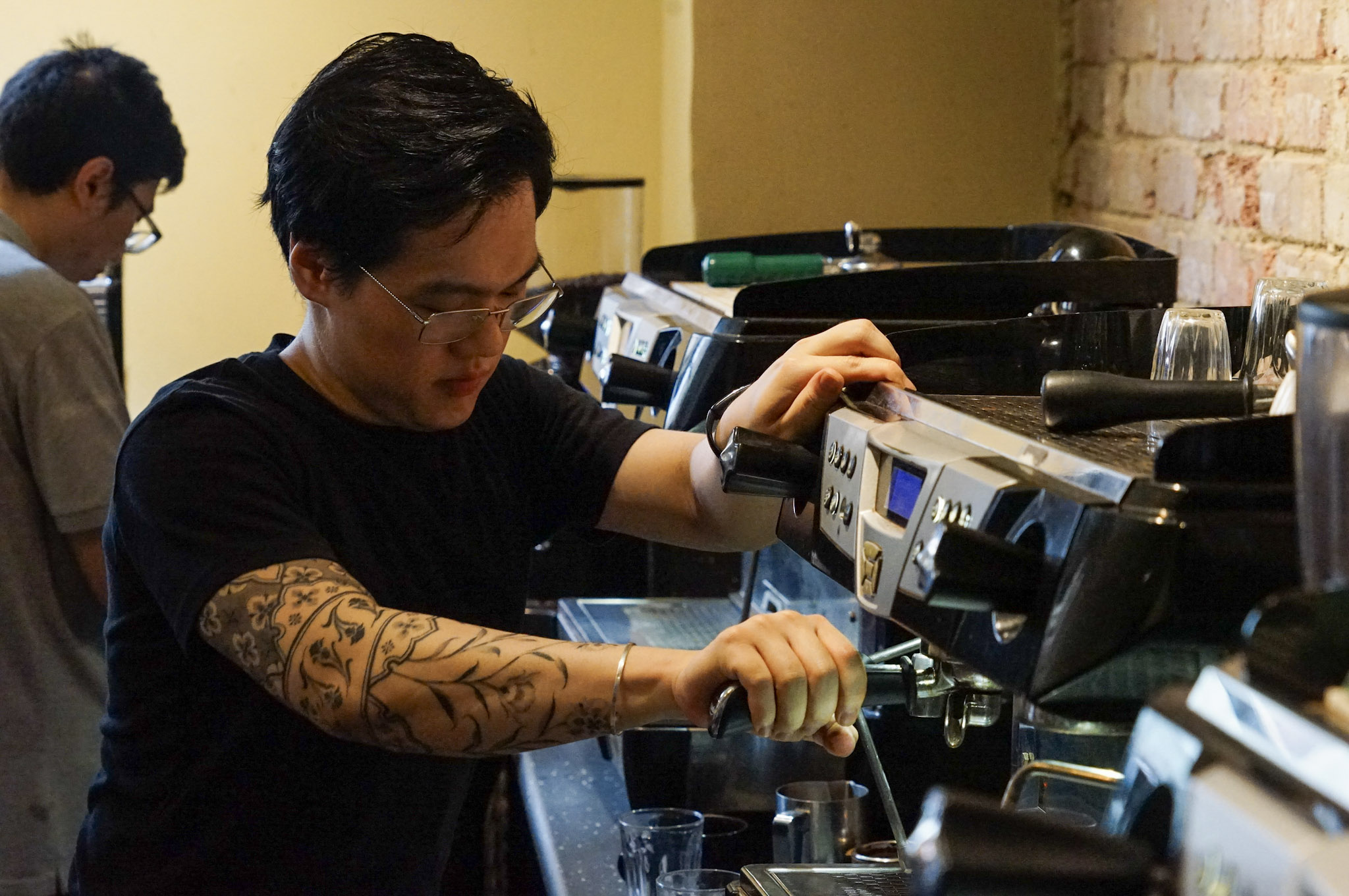
Owners observe whether you:
- Purge and wipe the steam wand every time
- Monitor extraction time without being reminded
- Dose and tamp evenly
- Maintain the same milk temperature across drinks
These behaviours signal technical control. A barista who demonstrates repeatable technique is easier to develop than someone who rushes and cuts corners.
Speed without structure creates variation. Variation damages trust.
When Volume Changes Everything
The importance of barista speed vs consistency shifts depending on venue type.
In a small café serving fewer than 100 covers a day, taking an extra 10 seconds to refine extraction is often acceptable. Regular customers value taste and consistency over rapid output.
In a high-volume venue producing 300 or more coffees in a morning rush, small delays compound quickly. If multiple baristas add unnecessary seconds to each drink, queues extend, stress increases, and workflow breaks down.
In these environments, owners expect both consistency and pace. However, consistency must already be reliable before speed becomes useful.
Calibration in Multi-Bar Teams
In venues where two or three baristas share the same machine, consistency becomes a shared responsibility.
Common problems include:
- One barista running 27-second extractions while another runs 30 seconds
- Milk textured to 65 degrees by one person and 70 degrees by another
- Variations in dose weight across shifts
Individually, each range may be acceptable. Collectively, they create flavour drift. Customers notice when their flat white tastes different depending on who made it.
Owners often run calibration sessions during a new hire’s first week. Dose weight, yield, extraction time, and milk temperature are standardised. A barista who resists alignment creates instability in the bar.
Consistency protects the venue’s reputation.
Specialty Venues Reverse the Priority
In specialty cafés, the conversation around barista speed vs consistency changes again.
Technical knowledge and sensory awareness carry more weight than raw output. Baristas are expected to understand how different milks affect texture and temperature, adjust grind size for environmental changes, and identify flavour shifts quickly.
In these venues, rushing a drink at the expense of quality weakens the brand. Throughput matters, but precision defines the experience.
FAQ: Barista Speed vs Consistency
I am not fast yet. Will that cost me the job?
Usually not. Owners can build speed through repetition and improved workflow systems. They cannot easily undo the inconsistent technique.
What if I struggle during my trial shift?
Be honest. Clear communication demonstrates awareness. Owners are observing how you respond under pressure, not just how many drinks you complete.
How do I build speed properly?
Focus on repeatable systems. Dial in consistently. Steam milk to the same temperature every time. Once technique becomes automatic, speed increases naturally.
Does it matter which café I apply to first?
Yes. A lower-volume venue gives you space to strengthen consistency before facing a 7am rush. Starting in the right environment helps you answer practical questions during the hiring interview. with confidence.
What Gets You Hired
Many new baristas believe speed makes them more employable. Experienced owners tend to disagree.
A fast but inconsistent barista creates:
- Recalibration work
- Product variation
- Customer complaints
- Extra supervision
A slightly slower but consistent barista creates stability.
Australia’s hospitality sector continues to experience skills pressure and a growing emphasis on practical competency. The Travel and Hospitality Workforce Plan Update 2025 highlights workforce challenges and the importance of upskilling across the sector. This context explains why employers focus heavily on technical foundations rather than rushed output.
When interviewing, a candidate who says, “My extraction is consistent, and I am building speed under pressure,” demonstrates self-awareness. That level of clarity is often more persuasive than claiming to excel at everything.
Speed and consistency are not personality traits. They are trainable skills developed on commercial equipment in real service conditions.
Train Where It Counts
Home machines do not replicate commercial group heads, grinder responsiveness, or steam power. Real development happens on professional equipment under structured guidance.
Practical, hands-on training helps you identify your current strengths and weaknesses honestly. Exposure to simulated rush scenarios improves workflow and builds confidence.
If you want to develop both speed and technical stability, structured programs such as Coffee School's barista courses provide access to commercial machines, small group learning, and real-time feedback.
That preparation is what allows consistency to hold when the café gets busy.