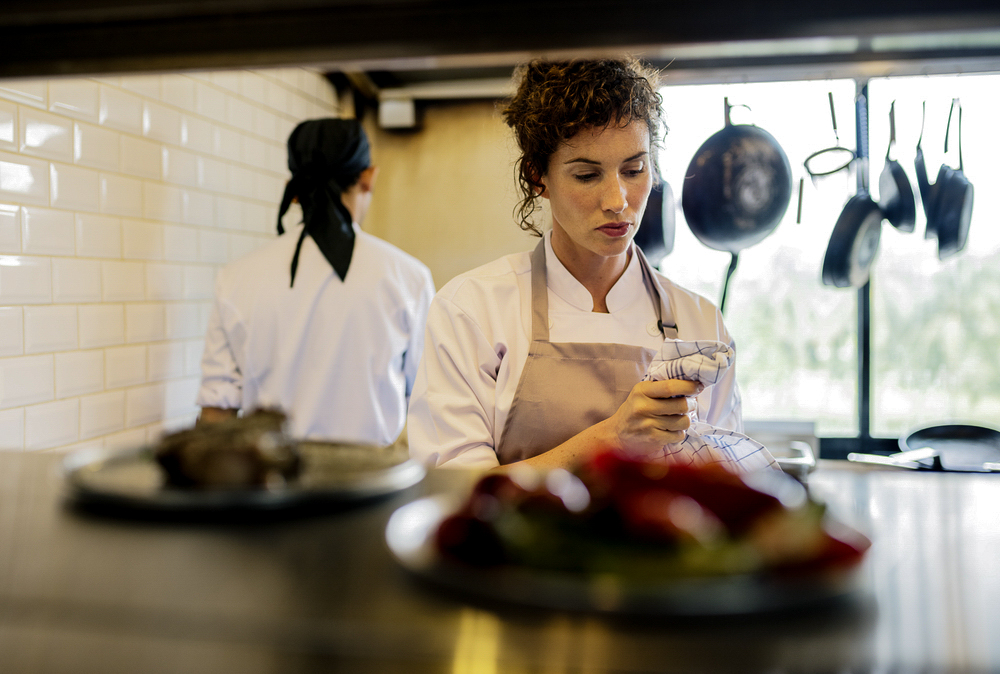

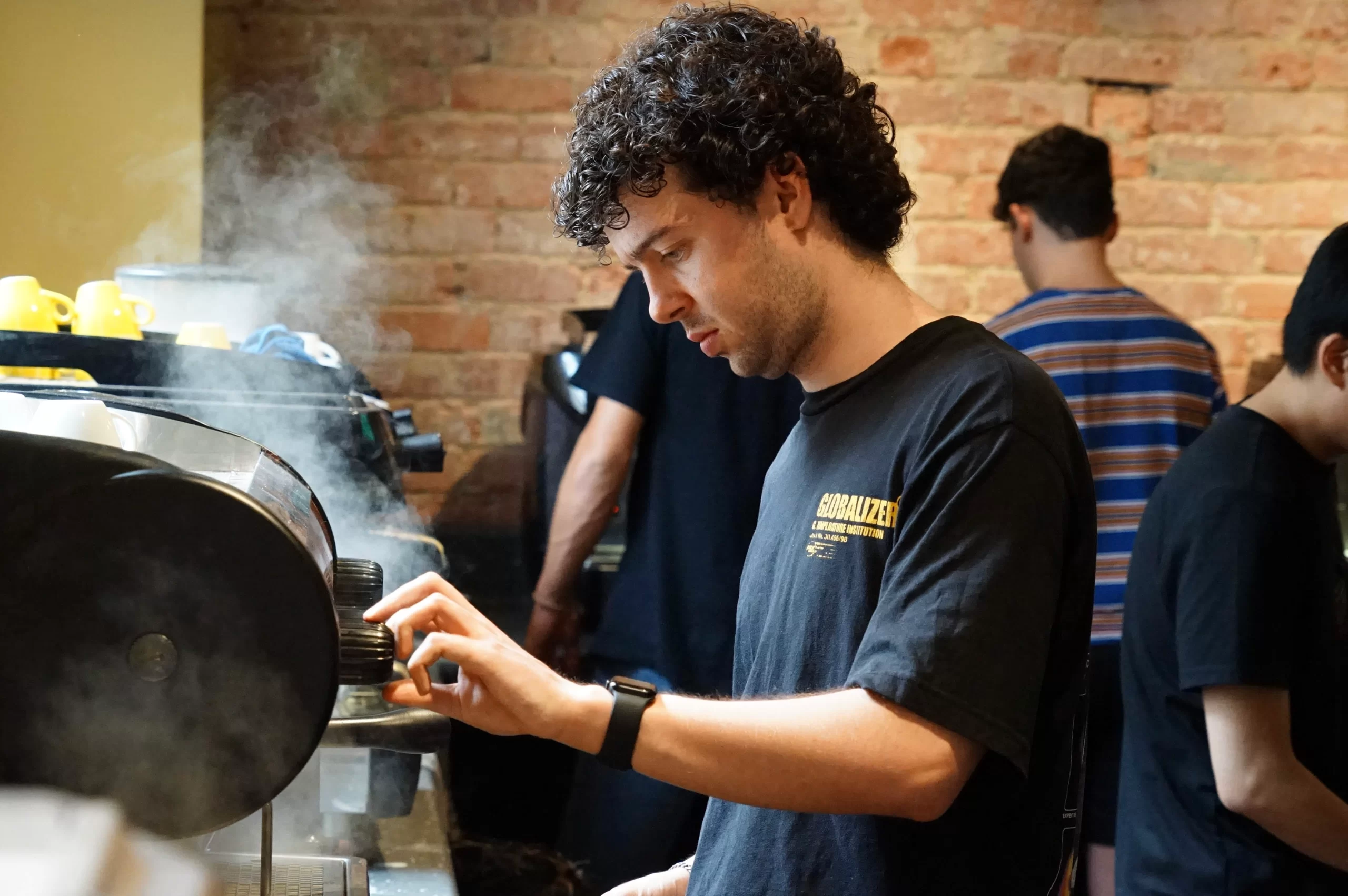
When the morning rush starts at 7 AM, you watch one of your former students freeze as three orders pile up simultaneously. You're visiting their new workplace to see how much Barista training has prepared them for the industry, and the scene unfolds exactly as you'd predicted during their course weeks earlier. They'd memorised every step of pulling shots and steaming milk, yet something crucial was missing when it mattered most. Great barista students don't just absorb technical knowledge during courses. They develop instincts, adaptability, and the focus needed when queues stretch out café doors.
Natural Learning Pace
Strong students build muscle memory first. The students who don’t rush the basics accept that this takes time rather than rushing through dosing and tamping just to reach latte art faster. They repeat basic movements until the movements become automatic, and position themselves identically at the grinder each session to achieve repeatable results. Their timing will improve once they stop adjusting mid-shot.
Yet some students want to skip ahead before they're ready, watching experienced baristas pull shots while chatting with customers and assuming the mechanics are simple. They don’t understand yet that espresso extraction requires split-second adjustments based on grind fineness, bean age, and humidity levels that change throughout the day.
Problem-Solving Mindset
Troubleshooting becomes obvious early. When shots pull too slowly, they need to learn how to adjust grind coarseness and check their tamping pressure. If milk won't foam properly, they should be taught to examine the steam wand angle and milk temperature, as well as to taste their shots regularly and connect flavour changes to technique adjustments.
During busy periods, great baristas will identify bottlenecks in their workflow and experiment with different techniques to improve efficiency. Strong problem-solvers also recognise their limitations. They know when a machine fault requires maintenance rather than a technique change, and ask specific questions about unfamiliar situations rather than pretending to understand.
What Trainers Get Asked Most Often
How long does it take to become a competent barista?
Most students need 6–8 weeks of regular practice to handle basic café duties confidently. While course certification can happen within hours, real competency requires ongoing repetition under working conditions.
Do personality traits predict barista success?
Patience and attention to detail count more than extroversion or natural charisma. Students who embrace repetitive practice and maintain standards under pressure typically excel regardless of their social preferences.
How important is prior hospitality experience?
Customer service experience helps, but coffee-specific skills must be learned from scratch. Australia's official training register requires hospitality service personnel to complete specific training for food handling and compliance with industry laws. While students with hospitality backgrounds adapt more quickly to café pace, they still need technical training in espresso preparation and milk handling, plus additional certifications, such as RSA, for venues serving alcohol.
Customer Connection Skills
Technical excellence alone doesn’t carry service once customers are impatient. Those who truly excel realise that pulling perfect shots won't save them if they can't read a customer who's running late for work. They observe customer moods and adjust their interaction style accordingly: brief and efficient for rushed morning commuters, friendly and conversational for leisurely afternoon visitors. Favoured baristas remember regular customers' usual orders and preferences without making assumptions. When explaining menu options, they match their language to customer knowledge levels rather than using industry jargon.
Coffee School's training covers these interpersonal skills alongside technical coffee preparation. Students need practice handling complaints, managing wait times, and working effectively with kitchen staff, which is why understanding the essential barista skills becomes so important. The best training environments simulate real café pressure while teaching both technical and interpersonal skills. Enrol in a barista course at Coffee School today.
Adaptability Under Pressure
When the weekend rush hits and six flat whites are waiting while the steam wand starts losing pressure, responses vary widely. The best performers maintain quality standards and work through the chaos logically: starting long shots before steaming milk, grouping similar orders together, and preparing multiple drinks simultaneously when possible. Their breathing stays controlled during rush periods rather than becoming frantic, and when mistakes happen, they correct them quickly without dwelling on errors or affecting subsequent orders.
However, mistakes creep in more often once the rush starts, and some students still crack under pressure despite solid technical foundations. They become fixated on perfect latte art when speed matters more, or they sacrifice coffee quality to move orders faster. Finding the balance between efficiency and standards requires practice scenarios that challenge students' decision-making abilities while maintaining safety protocols.
Essential Skills Every Student Should Develop
Use this checklist to ensure students build the capabilities that lead to café success:
- Muscle memory development – Allow adequate practice time for basic movements before advancing to complex techniques
- Diagnostic thinking – Teach students to taste their shots and connect flavour changes to grind, dose, and extraction adjustments
- Equipment troubleshooting – Show students how to identify steam wand pressure issues, grind inconsistencies, and extraction problems
- Customer reading skills – Practice scenarios with different personality types and time pressures
- Pressure management – Doesn’t skip steps once orders stack up
- Quality standards – Holds shot timing and milk texture consistent as order volume increases
Build Foundation Skills with Expert Training
Building these core capabilities requires structured guidance and hands-on practice. With locations in Sydney and Melbourne, Coffee School's small class-sized barista courses ensure aspiring baristas receive individual attention while learning troubleshooting techniques that transfer directly to busy work environments. Contact Coffee School today to begin building the foundation skills that lead to café success.