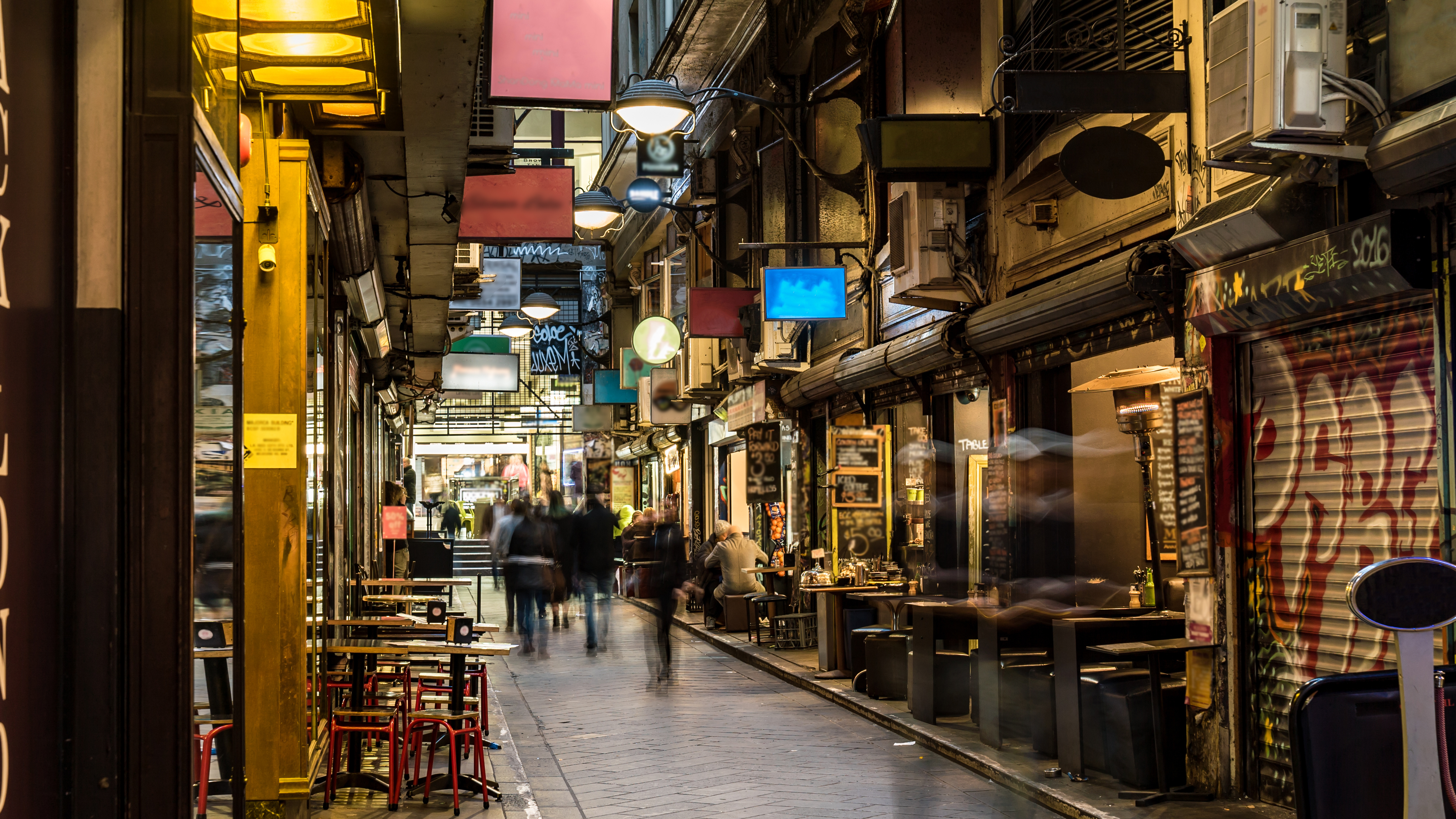

Melbourne has long been recognised as Australia's coffee capital. From bustling laneway cafés and specialty roasters to neighbourhood coffee shops with loyal followings, the city has developed a reputation for taking coffee seriously.
For customers, this means access to exceptional coffee and memorable café experiences. For baristas, it means working in an environment where expectations are high and quality matters. As Melbourne's coffee scene has evolved, so too has the way baristas are trained.
Today, barista training in Melbourne goes beyond simply learning how to make coffee. Modern training programs focus on the practical skills, consistency and customer experience needed to succeed in one of the world's most competitive café cultures.
Why Is Melbourne Famous for Coffee?
Melbourne's reputation as a coffee capital is built on decades of café culture, innovation and a strong appreciation for quality coffee. Following the growth of espresso bars in Australia during the post-war period, Melbourne became a hub for independent cafés that prioritised coffee quality, skilled preparation and customer experience.
Today, the city is known for its thriving specialty coffee scene, artisan roasters and customers who have come to expect a high standard from every cup. This environment has helped shape the modern role of the barista, with cafés placing greater emphasis on consistency, milk texturing, coffee knowledge and hospitality skills.
Australia's coffee culture has developed around a strong network of independent cafés and specialty coffee businesses, with Melbourne often recognised as one of the country's leading coffee destinations. The city's emphasis on coffee quality, skilled preparation and customer experience has helped influence broader industry standards across Australia.
As customer expectations have evolved, so too has barista training, with modern courses designed to prepare students for the standards commonly found throughout Melbourne's café industry.
How Melbourne Has Influenced Modern Barista Training
As customer expectations have increased, barista training has evolved to meet the demands of the industry.
Years ago, learning to operate an espresso machine may have been enough to secure a café job. Today, employers often look for candidates who can consistently produce quality coffee, communicate confidently with customers and work efficiently during busy service periods.
Melbourne's coffee culture has encouraged training providers to place greater emphasis on:
- Consistent espresso extraction
- Milk texturing and latte art
- Coffee menu knowledge
- Workflow efficiency
- Customer service skills
- Equipment care and maintenance
The result is a more comprehensive approach to training that prepares students for real café environments rather than simply teaching the basics.
The Skills Melbourne Cafés Expect Today
Modern cafés often expect baristas to arrive with a strong foundation of practical skills and workplace readiness.
Some of the most important skills include:
- Preparing espresso consistently
- Texturing milk correctly for different drinks
- Creating basic latte art
- Managing workflow during busy periods
- Communicating effectively with customers
- Maintaining a clean and organised workstation
- Understanding grinder adjustments and coffee recipes
Many of these essential barista skills are now considered standard expectations within Melbourne's café industry.
For those looking to enter the industry, a structured barista course in Melbourne can provide the opportunity to develop these skills in a practical environment using commercial equipment.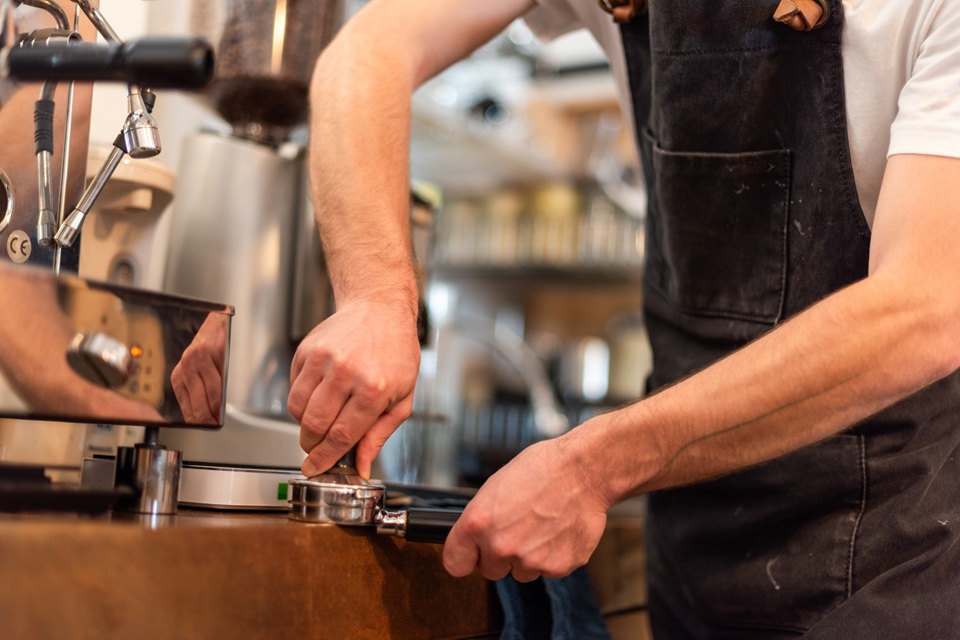
One of the defining features of Melbourne's café culture is the importance placed on customer experience.
People don't visit cafés solely for the coffee. They're also looking for a welcoming atmosphere, friendly service, consistency and a positive overall experience.
This means successful baristas need more than technical coffee-making ability. They must also be able to:
- Welcome customers warmly
- Take orders confidently
- Work efficiently under pressure
- Communicate clearly with team members
- Handle customer enquiries professionally
The best cafés understand that great coffee and great hospitality work together. Modern training increasingly reflects this reality by incorporating customer service alongside technical coffee skills.
Why Training Matters More Than Ever
Melbourne's café industry is highly competitive, and many employers have high expectations when hiring new staff.
In many cases, candidates will be asked to complete a trial shift before being offered a position. During these shifts, employers often assess far more than coffee-making ability alone.
They may evaluate:
- Speed and efficiency
- Communication skills
- Teamwork
- Cleanliness and organisation
- Ability to stay calm under pressure
Many cafés use trial shifts to evaluate how applicants perform in a real working environment, including how they interact with customers, communicate with colleagues and manage workflow during busy periods. These are often the same qualities highlighted in discussions around what café managers expect from baristas on their first shift.
This is one reason practical training continues to play such an important role in helping students become job-ready.
How Barista Training Prepares Students for Modern Cafés
The best training programs aim to replicate the challenges and expectations students are likely to encounter in real workplaces.
Rather than focusing solely on theory, modern courses typically include hands-on practice using commercial coffee equipment and realistic café workflows.
Students have the opportunity to develop confidence through repetition while learning techniques that reflect current industry standards.
Modern baristas are expected to understand more than espresso extraction and milk texturing alone. As customer preferences continue to evolve, cafés increasingly value knowledge of specialty coffee, alternative milk options and emerging industry trends. This is one reason why barista training courses in Melbourne are adapting to the latest coffee trends, helping students develop skills that remain relevant in a changing industry.
For aspiring baristas, investing in practical barista training Melbourne can help build the confidence and skills needed to succeed in today's café environment.
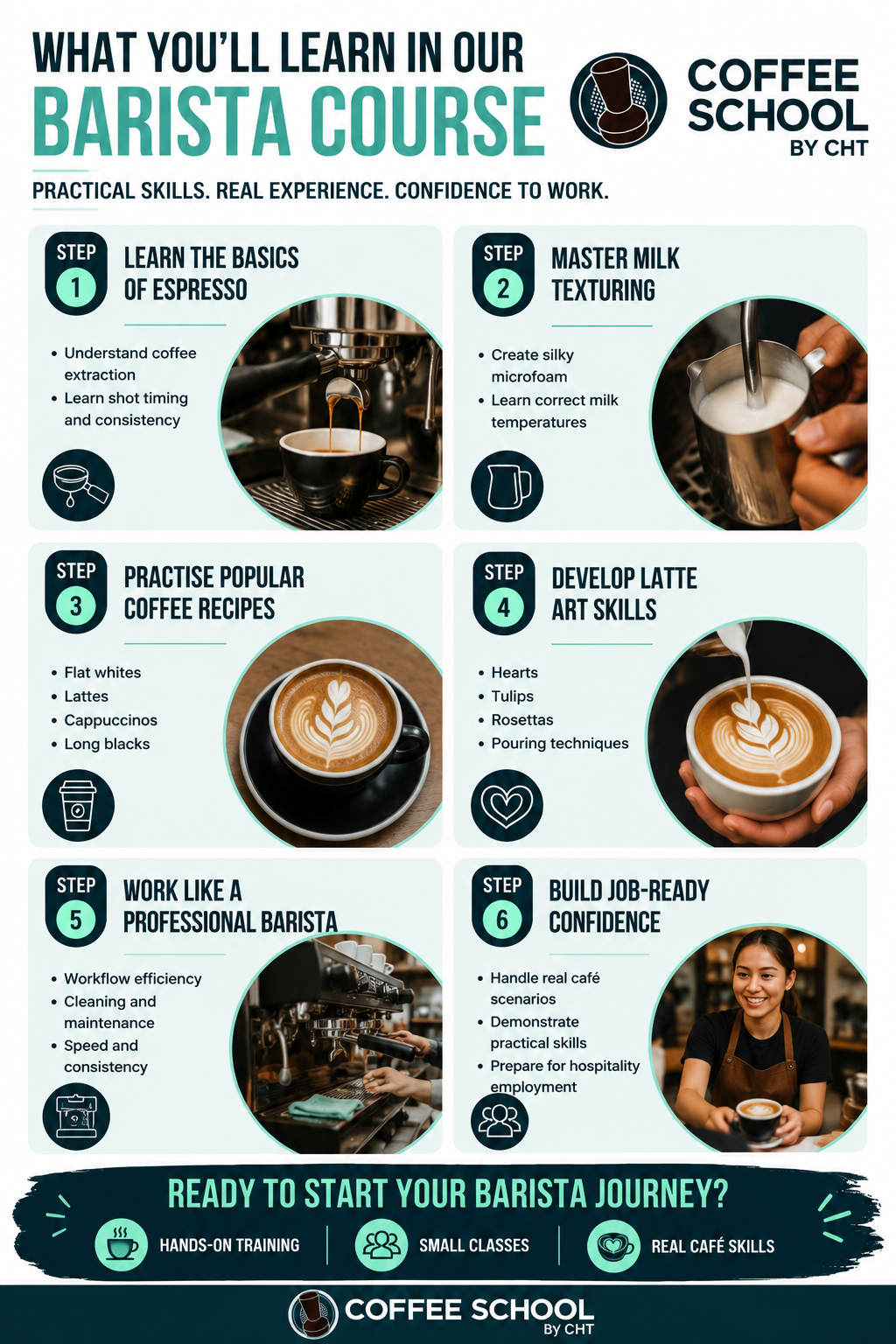
How Has Melbourne Influenced Barista Training?
Melbourne's café culture has raised industry expectations and influenced the way baristas are trained.
Modern barista training now places greater emphasis on:
- Coffee quality and consistency
- Milk texturing and latte art
- Customer service skills
- Workflow efficiency
- Real-world café experience
- Understanding current coffee trends
These skills help prepare students for the demands of contemporary cafés and improve their readiness for hospitality employment.
Conclusion
Melbourne's reputation as a global coffee destination has shaped more than the cafés themselves. It has also influenced the skills, knowledge and professionalism expected of today's baristas.
Modern cafés often expect staff to combine strong coffee-making ability with customer service, efficiency and workplace confidence. As a result, barista training has evolved to provide a more comprehensive and practical learning experience.
For those looking to enter Melbourne's thriving coffee industry, structured training can help build the foundation needed to meet industry expectations and develop the skills that modern cafés value most.